
A refreshed Field Kit, open to the public
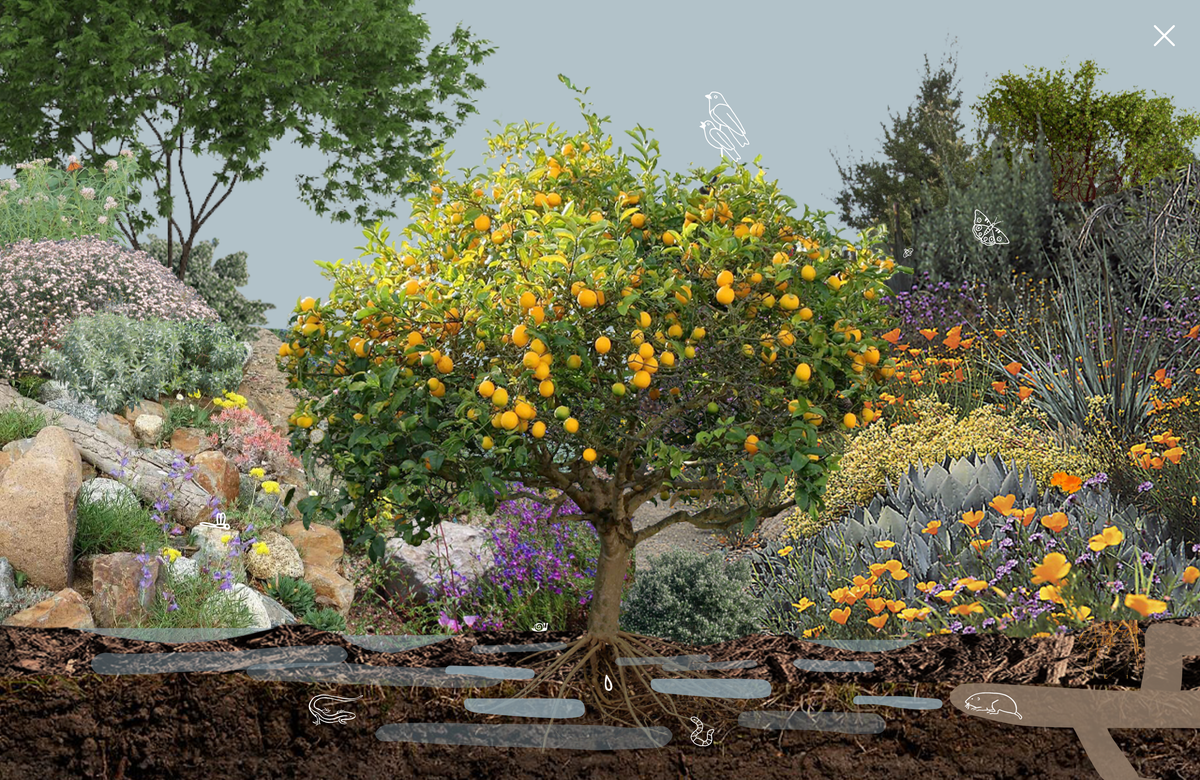
Three years ago, a seed was planted: what kind of tool might help bring L.A. County’s infrastructure to life?
Nurturing this idea required collaborating deeply with community-based organizations, government agencies, and engineering firms to understand how they plan infrastructure today — and dream into new possibilities. Together, a new kind of infrastructure was envisioned — one that honors place, grows participation, embodies justice, fosters resilience, and regenerates life. This is living infrastructure.
Close collaborations with over 50 organizations across L.A. County resulted in the newly refreshed Living Infrastructure Field Kit—a co-design tool and accompanying learning resources that help communities plan and fund multi-benefit projects.
With deep gratitude to our beta partners, and their time, expertise, and input, the Field Kit has come to life. These organizations and communities have used the Field Kit to evolve their ideas into high-quality funding proposals for much-needed projects in L.A.
Today, the Field Kit is freely available to anyone in L.A. County.
Over the past six months, the Field Kit has been refined across four primary areas:
- Making data actionable
- Combining data layers with lived experience
- Supporting thoughtful design choices
- Promoting continuous collaboration
Making data actionable
The most detailed data layers available for L.A. County now live within the Field Kit. They are presented with context, methodology, and beauty, making it easier to understand what that data means for your project.
Previously, beta partners used the Field Kit to access a curated set of data layers for site selection, project design, and grant writing, but the data was hard to interpret or too abstract to inform design on a project site.
Now, when you create a site, you’ll see a new site profile on the righthand side of your screen. This profile reveals a trove of insights to guide site selection and design, including a ranked list of opportunities.
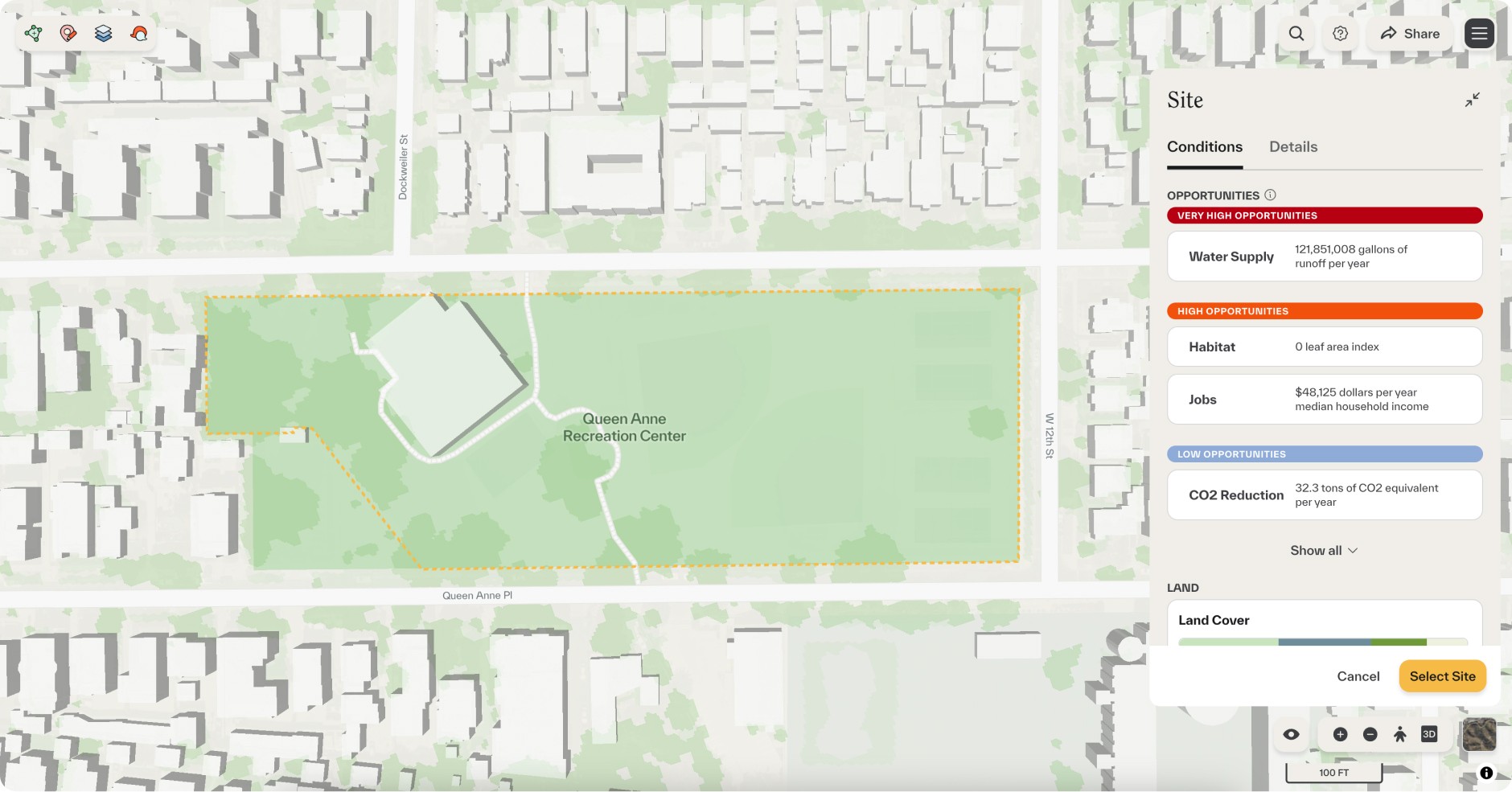
Clicking on each of these data points brings up an immersive view of the site. The Field Kit’s data science team worked with leading universities and engineering firms to develop and curate the most detailed data layers available for cooling, water supply, and over a dozen other areas. The new layers reveal the heat impacts of a single tree, trace the flows of upstream runoff to your site, and go back in time to see what historical habitats once existed.